Quietly Neurodivergent

Honest, practical support for autistic, ADHD and otherwise neurodivergent people in study, work and daily life. Wondering where to start? Find out about Quiet Neurodivergence and what could mean for you.

A single worn teaspoon rests on a muted linen surface, lit softly from one side with generous empty space around it.

What Is Spoon Theory? A Guide for Neurodivergent People and Those Around Them

Spoon theory started in chronic illness communities but has become one of the most useful frameworks in neurodivergent spaces. This article explains where it came from, what it means for autistic and ADHD people specifically, and how to use it practically, both for yourself and for understanding someone in your life who lives with limited, unpredictable energy.

Read More


Person sitting on a sofa, looking thoughtfully at their phone in a warm, softly lit living room.

They’re Not Ignoring You: How to Support Someone Who Struggles with Phone Calls

If someone you love watches their phone ring and doesn’t pick up, it’s probably not about you. This guide explains why phone calls are genuinely hard for many neurodivergent people, and offers practical, low-effort shifts for partners, friends, family members, and colleagues who want to communicate in a way that actually works.

Read More
Person at a desk composing a message on a laptop by lamplight, with a blurred networking event visible through the window behind.

Networking Without the Room: A Quieter Approach for Neurodivergent Professionals

The standard networking advice – work the room, schmooze, follow up – was designed for a particular kind of person. For those of us who are quietly neurodivergent, that model doesn’t just feel uncomfortable, it can feel impossible. This article explores why, and what a slower, more honest alternative looks like in practice.

Read More
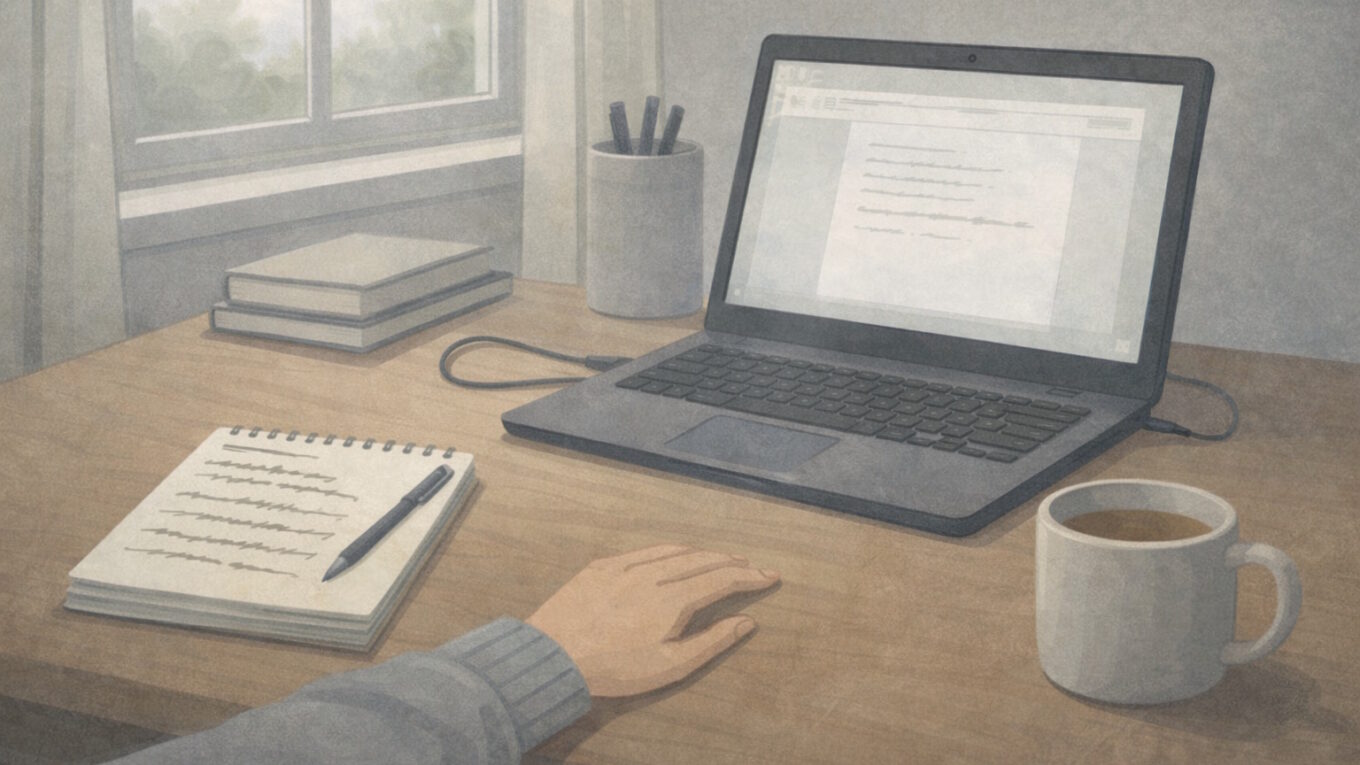
Soft, muted illustration of a sparse home workspace with an open laptop, a handwritten notepad with crossed-out notes, and a mug of tea on a wooden desk by an overcast window, with one hand resting near the keyboard, suggesting a difficult task still in progress.

When the Job Hunt Is the Job: Neurodivergent and Looking for Work

Job hunting is hard. Job hunting while neurodivergent — from a standing start of redundancy, gardening leave, and a nervous system not built for relentless self-promotion — is something else entirely. This article covers the application process, interviews, disclosure decisions, psychometric testing, and the emotional load, from someone writing in the middle of it.

Read More
Soft, muted illustration of a quiet sitting room with an armchair by a window, a steaming mug on a wooden table, and an unopened book resting under a hand in an orange sleeve, suggesting a paused, uncertain moment of rest.

When Time Off Isn’t Restful: Neurodivergent Brains and Unstructured Days

For many neurodivergent people, holidays and unstructured days can feel more draining than a working week — not because something is wrong, but because structure does more cognitive work than most people realise. This article explores why time off doesn’t always feel restful, and offers gentle, low-pressure approaches to making unstructured time a little more inhabitable.

Read More
Neurodivergent adult in headphones standing in a bright supermarket aisle, quietly managing sensory overload.

Supermarkets, High Streets and Quiet Exits: Coping With Sensory Overload in Everyday Places

For many neurodivergent people, “just popping to the shop” isn’t simple at all. This piece unpacks why supermarkets and high streets are so draining, and offers practical ways to lower the sensory load — plus gentle scripts for explaining it to partners, family and housemates.

Read More
Illustration of a calm classroom. A teacher stands at the front, and several students sit at desks. One student near the back is quiet and focused, with soft abstract shapes around their head hinting at hidden mental effort.

Supporting Quietly Neurodivergent Students: A Guide for Teachers and Lecturers

Quietly neurodivergent students are often the ones teachers and lecturers never worry about. They’re present, polite, and doing well on paper – but may be masking hard and running on empty. This guide offers practical, low-drama ways to redesign teaching and respond more gently, without putting anyone under a spotlight.

Read More
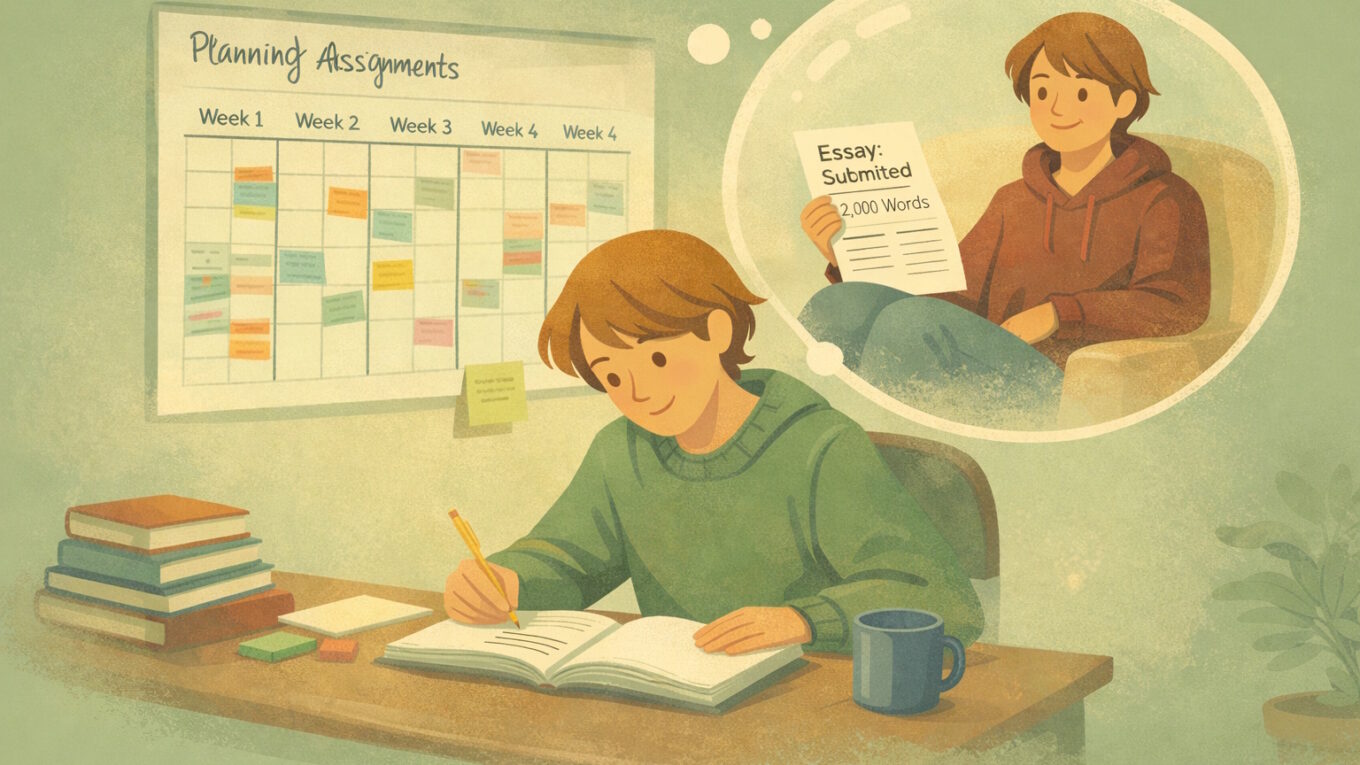
Student planning assignments at a desk with a colour-coded 4-week calendar, imagining their future self happily holding a submitted essay.

Planning Assignments When You’re Time Blind: A Step-by-Step Guide

Planning assignments when you’re time blind isn’t about suddenly becoming a perfectly organised student. It’s about turning one vague, overwhelming essay into small, visible steps that your brain can actually work with. This guide walks through a real example, then offers 4-week and 1-week templates you can reuse to give “future you” fewer last-minute crises.

Read More
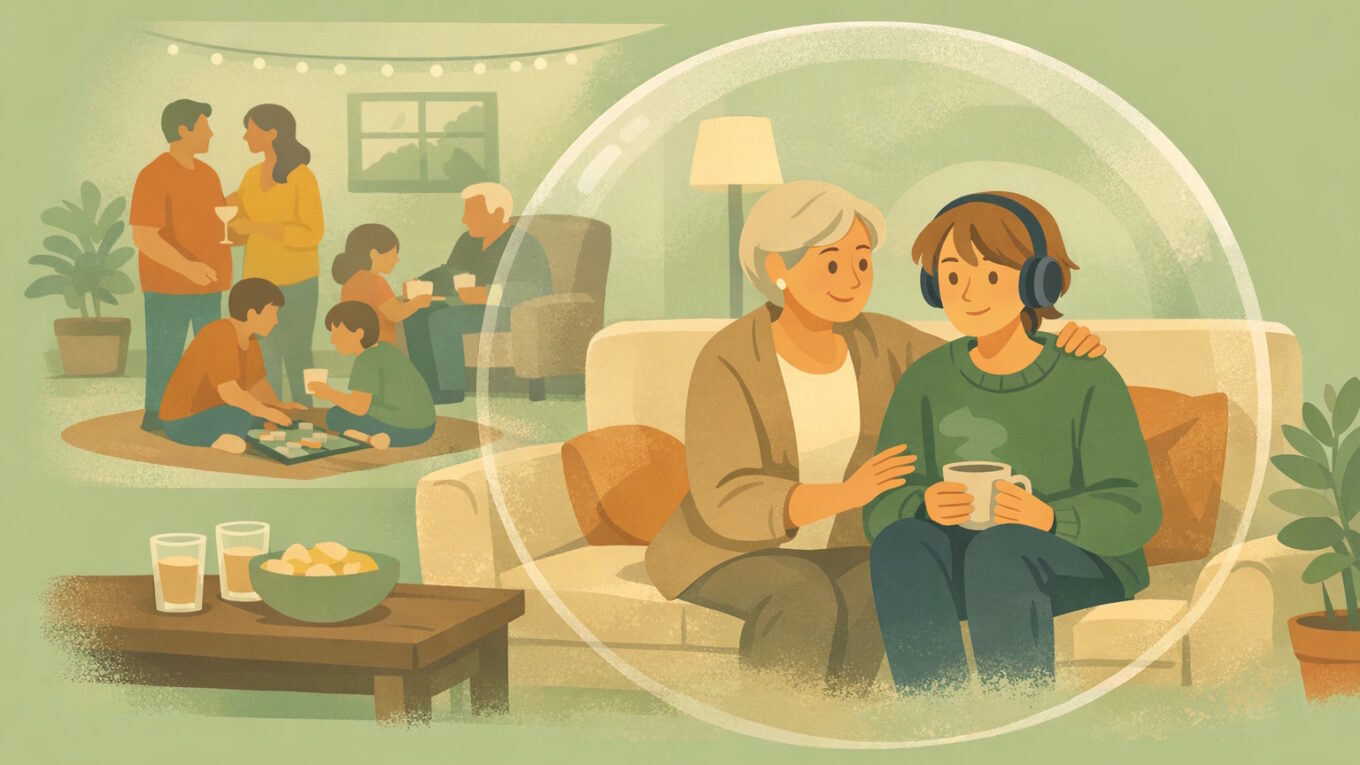
Quiet neurodivergent person in headphones sitting in a calm “bubble” on the sofa, supported by a relative while a busy family gathering happens in the background.

Supporting a Neurodivergent Family Member: How to Be Kind Without Walking on Eggshells

Supporting a quiet neurodivergent person in your family is less about grand gestures and more about everyday choices: believing what they tell you about their limits, keeping plans flexible, and letting them step back without guilt. This gentle guide walks through why family life can feel so heavy for neurodivergent people, and offers practical do’s, don’ts and kinder phrases you can start using right away.

Read More
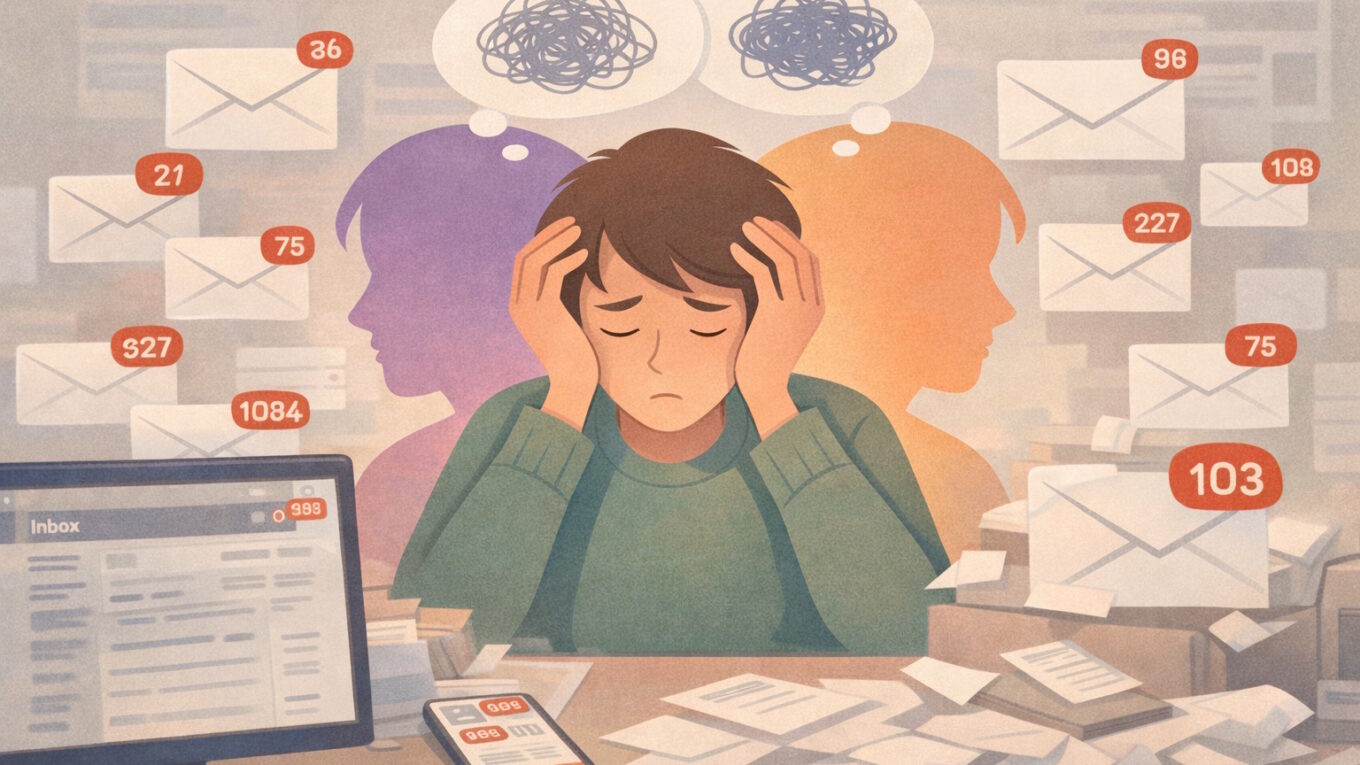
Illustration of a person overwhelmed at their desk, surrounded by screens and flying email icons showing huge unread counts.

Taming Email and Messages When Your Neurodivergent Brain Is Already Full

Email and messages are meant to keep us connected, but for many neurodivergent people they mostly arrive as a steady stream of demands and tiny emergencies. This piece looks at why inbox overload is so common, and offers small, realistic ways to use quiet hours, simple triage, templates and clearer expectations so email feels a little less hostile to your already-full brain.

Read More